
Over 15.5 billion AI-generated images now circulate online, yet many fail to capture true human likeness. For couples seeking romantic portraits and parents imagining future children, accuracy isn't just technical precision. It's emotional authenticity. When AI photos preserve facial identity, natural expressions, and photorealistic detail, they transform from generic digital art into meaningful keepsakes that genuinely resemble the people you love.
Table of Contents
- Understanding Accuracy In AI Photo Generation
- Common Pitfalls And Misconceptions About AI Photo Generation Accuracy
- Technical Advances Improving Accuracy In AI Photo Generation
- Accuracy In Romantic Couple Photos: Emotional And Visual Benefits
- Accuracy In AI Baby Visualizations: Creating Plausible Future Child Images
- Practical Tips For Choosing And Using Accurate AI Photo Generation Platforms
- Discover PairFuse For Accurate AI Couple And Baby Photos
- Frequently Asked Questions About Accuracy In AI Photo Generation
Key takeaways
| Point | Details |
|---|---|
| Accuracy encompasses visual precision, identity preservation, and emotional authenticity in AI-generated photos | True photorealism requires matching facial proportions, skin texture, lighting dynamics, and natural expressions |
| Common AI pitfalls include distorted faces, unrealistic expressions, and poor lighting consistency | Free or generic AI tools often produce visual artifacts and fail to maintain subject identity across generations |
| Advanced models like GPT Image 1.5 dramatically improve skin texture, shadow rendering, and facial feature fidelity | Next-generation AI creates pore-level detail and natural subsurface light scattering for human-like realism |
| High accuracy strengthens emotional connection in couple portraits and baby visualizations | Preserving true facial resemblance and believable chemistry makes AI photos feel personally meaningful rather than generic |
| Specialized platforms, detailed prompts, and quality reference photos maximize output accuracy | Choosing tools built specifically for romantic or baby imagery delivers superior identity preservation and photorealism |
Introduction to AI photo generation and accuracy
AI photo generation uses machine learning algorithms to create synthetic images from text descriptions or reference photos. Unlike traditional photography, these systems analyze millions of real photographs to learn patterns in human features, lighting, composition, and style. The technology has evolved from producing obvious digital illustrations to creating images that rival professional studio portraits.
Accuracy in this context operates across three critical dimensions. Visual precision refers to how realistically the AI renders physical details like skin texture, hair strands, and fabric wrinkles. Identity preservation measures how closely generated faces match the actual appearance of real people, maintaining their unique proportions, features, and recognizable characteristics. Style fidelity ensures the final image matches your creative vision, whether that's a romantic sunset portrait or a soft baby photograph.
These accuracy aspects matter profoundly for couple portraits and baby images because emotional connection depends on recognition. When you commission a romantic photo, you want to see yourself and your partner, not generic attractive faces. When visualizing a future child, you seek plausible family resemblance that reflects both parents' traits. Accuracy in AI photo generation encompasses visual precision, prompt fidelity, and style consistency, necessary for images to maintain subject likeness.
Poor accuracy produces disappointing results:
- Unrecognizable faces that bear little resemblance to uploaded reference photos
- Distorted proportions creating uncanny valley effects that feel unsettling
- Inconsistent lighting making images appear flat, artificial, or poorly composed
- Mismatched expressions destroying emotional authenticity between partners
For more context on how AI achieves realistic image quality, explore this AI image realism guide covering current capabilities and limitations.
Understanding accuracy in AI photo generation
Visual precision starts with texture detail. Photorealistic AI-generated images have advanced to a level nearly indistinguishable from real photographs, rendering subtle facial details and lighting effects. High-accuracy systems capture individual skin pores, fine wrinkles, hair follicle patterns, and fabric weave. They simulate how light interacts with different surfaces, creating natural highlights on cheekbones and soft shadows beneath noses.
Lighting accuracy separates professional-quality AI from amateur outputs. Accurate lighting, shadow placement, and environmental reflections are critical for photorealism and avoid detection by human observers. Advanced models calculate how ambient light bounces off surrounding surfaces, creates color temperature variations, and produces realistic catchlights in eyes. This technical sophistication makes images feel three-dimensional rather than flat illustrations.
Facial identity preservation requires maintaining the geometric relationships that make each person uniquely recognizable. Your eye spacing, nose bridge angle, jawline contour, and lip shape combine into a distinctive pattern. Accurate AI systems analyze these proportional relationships from reference photos and preserve them across generated images, ensuring the digital version genuinely looks like you.
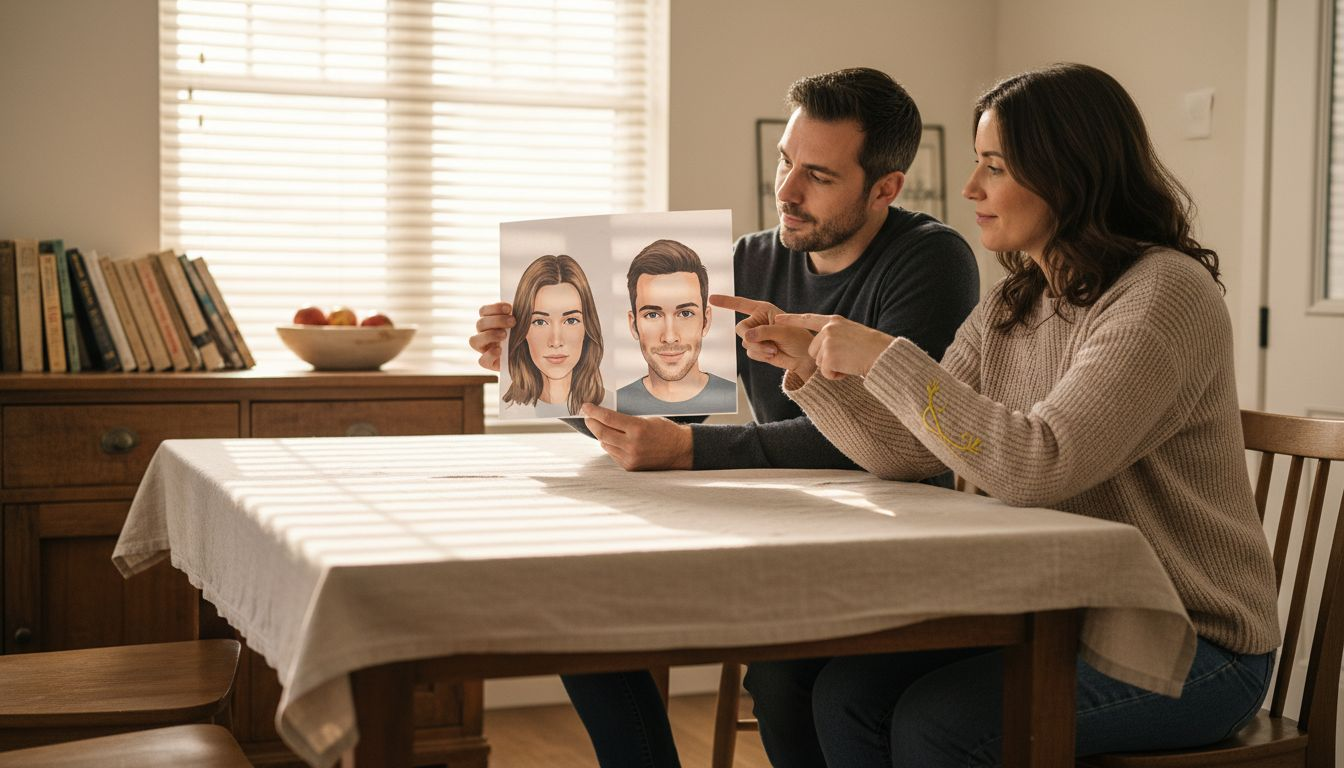
Consistent natural expressions enhance believability in couple photos. Forced smiles, vacant stares, or mismatched emotional energy between partners destroy authenticity. Quality AI generates expressions that appear spontaneous and emotionally coherent, capturing the subtle muscle movements around eyes and mouths that signal genuine happiness, tenderness, or playfulness.
Pro Tip: Upload 5 to 10 high-resolution reference photos showing varied angles, lighting conditions, and natural expressions. This diverse dataset helps AI models learn your unique facial structure and typical emotional range, dramatically improving identity accuracy in generated images.
Platforms like AI couple photo maker specialize in preserving these accuracy elements specifically for romantic imagery, maintaining both individual identity and believable couple chemistry.
Common pitfalls and misconceptions about AI photo generation accuracy
Free or generic AI tools frequently produce flawed outputs that undermine emotional value. Free AI photo tools often produce distorted faces, visual artifacts, and inconsistent identity not suitable for professional or personalized use. Common visual problems include asymmetrical eyes, warped facial proportions, unnatural skin smoothing that erases pores and texture, and harsh lighting creating unflattering shadows.
Many users mistakenly believe stylized AI images suffice for meaningful romantic photos. Artistic filters, anime aesthetics, or painterly effects can look appealing but sacrifice the photorealistic accuracy that creates emotional connection. When you want to commemorate your relationship or visualize your future child, you need images that genuinely resemble real people, not idealized illustrations.
"Generic AI models trained on broad datasets struggle to preserve individual facial identity because they optimize for aesthetic appeal rather than true-to-life accuracy. The result looks attractive but generic, failing to capture what makes each person uniquely recognizable."
Facial identity fidelity proves technically challenging because human brains excel at face recognition. We instantly notice when proportions feel slightly off, when expressions appear forced, or when someone's distinctive features get smoothed into generic attractiveness. Free tools lack the specialized training data and architectural sophistication needed to maintain these subtle identity markers.
Typical accuracy failures in generic models:
- Blending facial features from training data rather than preserving uploaded reference identities
- Creating symmetry that feels artificial since real faces have natural asymmetries
- Missing distinctive characteristics like beauty marks, freckle patterns, or smile lines
- Generating expressions that don't match the emotional context or couple dynamic
Specialized platforms like AI couple photo maker address these limitations through focused training on romantic imagery and identity preservation algorithms.
Technical advances improving accuracy in AI photo generation
Next-generation diffusion models represent a breakthrough in photorealistic quality. GPT Image 1.5 can produce realistic biological skin textures with pore structures and natural hair rendering. These systems generate images through iterative refinement, starting with random noise and progressively adding detail until achieving photographic fidelity.
Skin texture rendering now includes organic imperfections that signal authenticity. Advanced models simulate individual pore patterns, subtle color variations from blood vessels beneath the surface, fine wrinkles around eyes, and natural shine patterns on oily versus dry skin areas. This biological accuracy prevents the unnaturally smooth, plastic appearance common in older AI outputs.
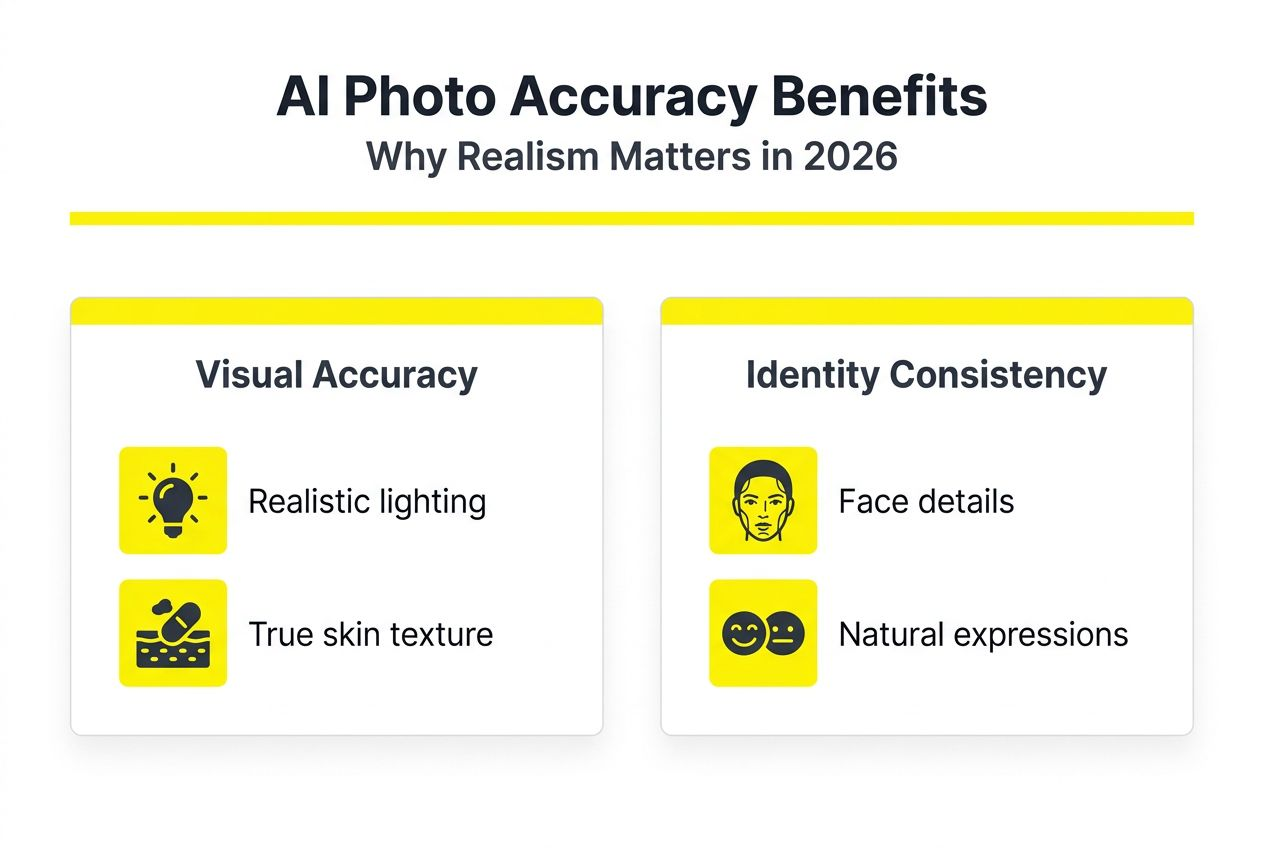
Advanced light and subsurface scattering modeling allows AI to create natural skin appearance and realistic shadows. Subsurface scattering simulates how light penetrates translucent skin, bounces off underlying tissue, and emerges with a warm glow. This technical detail makes faces appear three-dimensional and alive rather than flat renderings.
| Feature | Older AI Models | GPT Image 1.5 Architecture |
|---|---|---|
| Skin Texture | Smooth, plastic appearance | Individual pores, natural imperfections |
| Lighting | Flat, single-source illumination | Multi-source with realistic shadows |
| Hair Rendering | Clumped strands, blurry edges | Individual hair strands, natural flow |
| Facial Identity | Generic averaging of features | Preserved proportions from references |
| Expression Quality | Forced, artificial smiles | Natural muscle movements, genuine emotion |
These architectural improvements enable platforms to maintain identity consistency across multiple generated images, crucial for creating cohesive romantic photo series or baby visualizations that genuinely resemble parent features.
Pro Tip: When evaluating AI platforms, request sample images showing skin texture detail, shadow complexity, and hair rendering quality. These elements immediately reveal whether the underlying model uses current-generation architecture or outdated technology.
Specialized tools like AI couple photo maker leverage these technical advances specifically for romantic contexts, ensuring both photorealism and emotional authenticity.
Accuracy in romantic couple photos: emotional and visual benefits
Identity preservation in couple imagery creates instant emotional recognition. When you see your actual facial features, your partner's distinctive smile, and the natural chemistry between you captured accurately, the image becomes personally meaningful rather than generic stock photography. This recognition triggers emotional connection because the photo represents your real relationship, not idealized strangers.
Natural, believable expressions amplify authenticity in romantic portraits. Forced poses and artificial smiles feel disconnected from genuine affection. Accurate AI systems generate expressions showing real emotional warmth through subtle details like crinkled eyes during laughter, gentle smiles during tender moments, and coordinated body language between partners that signals true connection.
Consistent lighting and style deliver professional appearance while maintaining emotional warmth. Soft, flattering illumination that mimics golden hour photography creates romantic atmosphere without sacrificing facial clarity. Accurate color temperature ensures skin tones appear natural and healthy rather than overly saturated or washed out.
Practical benefits of accuracy in couple photos:
- Anniversary gifts that genuinely commemorate your relationship through recognizable likenesses
- Social media sharing that feels authentic rather than obviously AI-generated
- Themed photoshoots capturing specific aesthetics while preserving your actual appearance
- Multiple coordinated images maintaining identity consistency across an entire romantic series
Choosing AI tools specialized in romantic couple images yields superior results compared to generic platforms. Dedicated systems train specifically on couple dynamics, learning how to maintain individual identity while creating believable interaction between partners. They understand romantic composition, flattering angles for two people, and emotional authenticity in affectionate expressions.
Explore specialized options like AI couple photo maker, studio couple photoshoot, and AI wedding photo maker for platforms optimized specifically for romantic accuracy.
Accuracy in AI baby visualizations: creating plausible future child images
AI baby visualization focuses on visual trait combination rather than genetic prediction. These systems analyze uploaded parent photos to identify distinctive facial features, then create plausible infant portraits blending characteristics from both individuals. The goal isn't scientific accuracy but emotionally engaging imagery showing believable family resemblance through visual inheritance patterns.
Balancing photorealism with soft baby features requires specialized training. Infant faces have unique proportions with larger foreheads, rounder cheeks, and smaller facial features compared to adults. Accurate AI baby generators understand these developmental differences, creating images that look genuinely like babies rather than miniaturized adult faces with awkward proportions.
High accuracy increases emotional engagement through plausible family resemblance. When you recognize your eye shape in the baby's face, your partner's nose structure, or a blend of both parents' skin tones, the visualization feels personally meaningful. This recognition creates stronger emotional connection than generic baby photos showing no distinctive family traits.
Specialized AI baby visualization tools outperform generic models because they train specifically on infant imagery and parent-child visual relationships. General-purpose systems lack this focused expertise, often producing babies with adult facial proportions, unrealistic features, or no recognizable connection to uploaded parent photos.
Maximizing accuracy in baby visualizations:
- Upload clear, well-lit photos of both parents showing natural facial structure
- Include images from similar angles to help AI align and blend facial features
- Choose photos with neutral expressions to provide clean feature references
- Select platforms specifically designed for baby generation rather than general AI art
- Understand results show plausible visual combinations, not genetic certainty
Dedicated platforms like AI baby generator specialize in creating these emotionally resonant visualizations with high photorealistic quality and believable trait inheritance. For comprehensive options, explore AI couple photos & baby generator combining both romantic imagery and future child visualization.
Practical tips for choosing and using accurate AI photo generation platforms
-
Use specific, detailed prompts controlling the AI generation process. Instead of "romantic couple photo," specify "soft sunset lighting, natural smiles, embracing pose, warm color temperature." Detailed descriptions guide the model toward your exact vision while maintaining photorealistic accuracy.
-
Always upload high-quality reference photos showing desired traits and expressions. Blurry, poorly lit, or heavily filtered images provide inadequate data for identity preservation. Clear, well-composed reference photos dramatically improve output accuracy.
-
Choose AI platforms specialized in romantic or baby imagery for superior results. Generic tools optimize for broad visual appeal. Specialized platforms train specifically on couple dynamics, infant features, and identity preservation, delivering outputs matching your specific needs.
-
Iterate the generation process to refine and improve accuracy. First attempts rarely achieve perfection. Generate multiple variations, identify which best preserve identity and emotional authenticity, then adjust prompts or references to further improve subsequent outputs.
-
Balance photorealism with style preferences to maintain emotional impact. Ultra-realistic accuracy matters for identity preservation, but artistic style choices around lighting, color grading, and composition add emotional resonance. Find platforms offering both technical accuracy and aesthetic flexibility.
-
Evaluate sample outputs before committing to a platform. Request example images showing skin texture detail, facial identity consistency, and lighting quality. These samples immediately reveal whether the underlying technology meets your accuracy standards.
Pro Tip: Test a platform's accuracy by generating images from reference photos of people you know well. Your familiarity with their actual appearance makes identity preservation failures immediately obvious, helping you evaluate true accuracy before creating meaningful personal images.
Detailed prompts and reference photos dramatically enhance AI output accuracy by guiding models to maintain identity and expression consistency. Platforms like AI couple photo maker and AI baby generator implement these accuracy principles through specialized architecture and user-friendly interfaces.
Discover PairFuse for accurate AI couple and baby photos
PairFuse offers cutting-edge AI models specifically optimized for facial accuracy and natural expressions in romantic and baby imagery. Unlike generic platforms producing attractive but unrecognizable results, PairFuse preserves true-to-life identity through advanced facial analysis and identity-consistent generation. The platform maintains your actual appearance across multiple themed images, from intimate studio portraits to seasonal romantic settings.
Specialized tools cater specifically to romantic couples and future baby visualizations. Dedicated training on couple dynamics ensures believable chemistry and coordinated expressions between partners. Baby visualization algorithms blend parent features into plausible infant portraits with proper developmental proportions and soft, natural rendering.

The easy-to-use platform supports detailed reference photo uploads and intuitive controls for customizing style preferences while maintaining photorealistic accuracy. Whether creating anniversary gifts, social media content, or emotionally meaningful family visualizations, PairFuse delivers professional-quality results without requiring photography expertise or complex prompting.
Pro Tip: Use PairFuse's studio photo shoot features for professional-quality portraits with controlled lighting, clean backgrounds, and polished composition that rival traditional photography studios.
Thousands of couples and parents trust PairFuse for meaningful AI photos that genuinely resemble their real appearance and capture authentic emotional connection. Explore AI couple photo maker, AI baby generator, and studio couple photoshoot to experience how specialized accuracy transforms AI-generated images into personally meaningful keepsakes.
Frequently asked questions about accuracy in AI photo generation
Why do some AI-generated faces look unnatural or distorted?
Free or generic AI tools often lack the training data and architectural sophistication needed to preserve facial proportions accurately. They average features from broad datasets rather than maintaining individual identity, creating uncanny valley effects with asymmetrical eyes, warped proportions, or overly smoothed skin that erases natural texture. Specialized platforms using advanced models produce far more natural, recognizable results.
How can I ensure my AI couple photo looks like us?
Upload 5 to 10 high-quality reference photos showing varied angles, natural lighting, and genuine expressions of both partners. Choose platforms specifically designed for couple imagery rather than generic AI art generators. Detailed prompts specifying desired poses, lighting, and emotional tone guide the model while specialized algorithms preserve your actual facial features and natural chemistry.
Are AI baby visualizations genetically accurate?
No, AI baby generators create plausible visual combinations of parent features rather than genetic predictions. They analyze uploaded photos to identify distinctive traits like eye shape, nose structure, and skin tone, then blend these characteristics into believable infant portraits. The results show possible visual inheritance patterns but cannot predict actual genetic outcomes or biological development.
Can free AI photo generators deliver professional-quality images?
Free tools typically produce lower accuracy with visual artifacts, distorted proportions, and poor identity preservation unsuitable for professional or emotionally meaningful use. They lack the specialized training, advanced architecture, and computational resources that premium platforms invest in photorealistic quality. For images requiring true-to-life accuracy and emotional authenticity, specialized paid platforms deliver dramatically superior results.
What level of detail should I include in prompts for best results?
Specify lighting conditions, desired poses, emotional tone, composition style, and any specific visual elements you want included. Instead of generic descriptions, use precise language like "soft golden hour lighting, natural smiles, close embrace, warm color temperature, shallow depth of field." Detailed prompts guide AI models toward your exact vision while allowing specialized algorithms to maintain photorealistic accuracy and identity preservation.